Navigating Medical Visits: Essential Patient Information Tools
Visiting a healthcare provider can often feel overwhelming. With the myriad of information to process, it’s easy to feel lost in the shuffle. However, being prepared can significantly enhance your experience and ensure you get the most out of your medical visits. This blog post will explore essential tools and strategies that can help you navigate your medical visits more effectively.

Understanding the Importance of Preparation
Preparation is key when it comes to medical visits. A well-prepared patient is more likely to have a productive appointment. Here are some reasons why preparation matters:
Maximizes Appointment Time: Doctors often have limited time for each patient. Being organized allows you to cover all necessary topics without feeling rushed.
Improves Communication: Clear communication with your healthcare provider can lead to better diagnosis and treatment.
Reduces Anxiety: Knowing what to expect can alleviate some of the stress associated with medical visits.
Essential Tools for Patient Preparation
1. Medical History Document
Creating a comprehensive medical history document is one of the most effective ways to prepare for a medical visit. This document should include:
Personal Information: Your full name, date of birth, and contact information.
Medical Conditions: A list of any chronic conditions or previous illnesses.
Medications: A detailed list of all medications you are currently taking, including dosages and frequency.
Allergies: Any known allergies to medications, foods, or environmental factors.
Family History: Relevant health issues that run in your family.
Having this information readily available can help your healthcare provider make informed decisions about your care.
2. List of Questions
Before your appointment, take some time to jot down any questions or concerns you may have. This list can include:
Symptoms you are experiencing
Side effects of medications
Lifestyle changes you are considering
Clarifications about your diagnosis or treatment plan
By bringing a list of questions, you ensure that you address all your concerns during the visit.
3. Appointment Calendar
Keeping a medical appointment calendar can help you stay organized. This calendar should include:
Upcoming appointments
Follow-up visits
Important dates for tests or procedures
Using a digital calendar can also send reminders, ensuring you never miss an appointment.
Utilizing Technology for Better Communication
1. Patient Portals
Many healthcare providers offer patient portals that allow you to access your medical records, test results, and appointment information online. Benefits of using a patient portal include:
Easy Access to Information: You can review your medical history and test results at any time.
Secure Messaging: Communicate directly with your healthcare provider for non-urgent questions.
Appointment Scheduling: Easily schedule or reschedule appointments without needing to call the office.
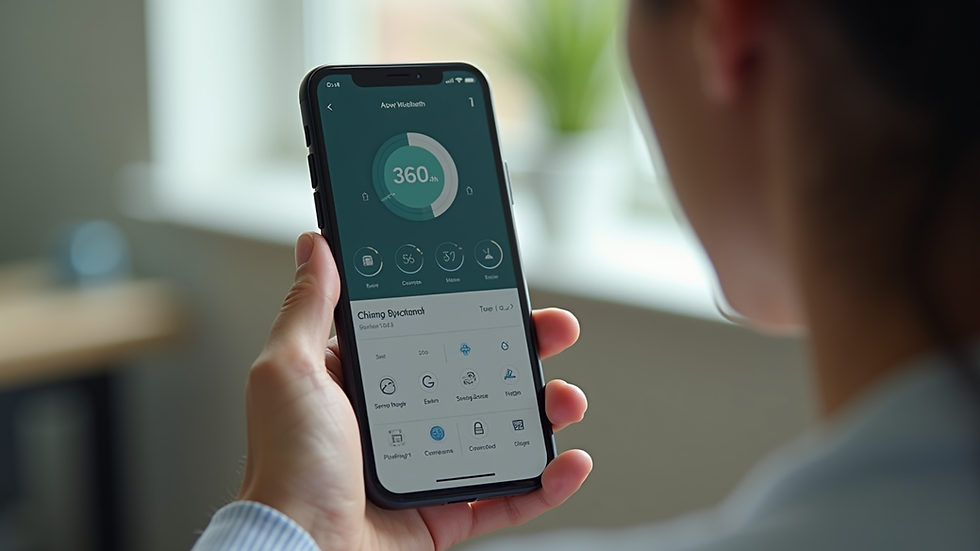
2. Health Apps
There are numerous health apps available that can assist you in managing your health. Some popular features include:
Medication Reminders: Set alerts for when to take your medications.
Symptom Trackers: Log symptoms to discuss with your doctor.
Fitness and Nutrition Tracking: Monitor your physical activity and dietary habits.
Using these tools can empower you to take control of your health.
The Role of Support Systems
Having a support system in place can greatly enhance your medical visit experience. Here are some ways to leverage support:
1. Bring a Companion
Consider bringing a family member or friend to your appointment. They can help:
Take notes during the visit
Ask questions you may forget
Provide emotional support
2. Discuss Concerns with Loved Ones
Before your appointment, talk to your loved ones about any concerns you have. They may offer valuable insights or help you formulate questions for your healthcare provider.
Understanding Your Rights as a Patient
Being informed about your rights as a patient can empower you during medical visits. Key rights include:
The Right to Informed Consent: You have the right to understand the risks and benefits of any treatment before agreeing to it.
The Right to Privacy: Your medical information should be kept confidential.
The Right to Access Your Medical Records: You can request copies of your medical records at any time.
Familiarizing yourself with these rights can help you advocate for yourself during medical visits.
Strategies for Effective Communication with Healthcare Providers
1. Be Honest and Open
When discussing your health, it’s crucial to be honest with your healthcare provider. This includes:
Disclosing all symptoms, even if they seem minor
Being truthful about your lifestyle habits
Sharing any concerns about your treatment plan
2. Use Clear Language
When describing your symptoms or concerns, use clear and specific language. Avoid vague terms and instead focus on:
Describing the intensity of pain (e.g., sharp, dull, constant)
Mentioning how long you have experienced symptoms
Noting any patterns or triggers related to your symptoms
3. Ask for Clarification
If you don’t understand something your healthcare provider says, don’t hesitate to ask for clarification. It’s essential that you fully understand your diagnosis and treatment options.
Following Up After Your Appointment
1. Review Notes
After your appointment, take some time to review any notes you took during the visit. This will help reinforce what you learned and remind you of any follow-up actions you need to take.
2. Schedule Follow-Up Appointments
If your healthcare provider recommends follow-up appointments or tests, make sure to schedule them promptly. This ensures continuity of care and helps you stay on track with your health management.
3. Monitor Your Health
Keep track of any changes in your health after the appointment. If you notice any new symptoms or if existing symptoms worsen, contact your healthcare provider for further guidance.
Conclusion
Navigating medical visits doesn’t have to be a daunting task. By utilizing essential tools such as a medical history document, a list of questions, and technology like patient portals and health apps, you can enhance your experience. Remember to communicate openly with your healthcare provider and leverage your support system. Being prepared and informed will empower you to take charge of your health and make the most of your medical visits.
Take the first step today by organizing your medical information and preparing for your next appointment. Your health is worth it!

Comments