Empowering Patients with Instant Medical Information Access
In today's fast-paced world, access to medical information is more crucial than ever. Patients are increasingly seeking knowledge about their health conditions, treatment options, and preventive measures. The ability to access reliable medical information instantly can empower patients, enhance their decision-making, and improve health outcomes. This blog post explores the significance of instant medical information access, the tools available, and how they can transform patient care.
The Importance of Instant Medical Information Access
Access to medical information has evolved significantly over the years. Gone are the days when patients relied solely on their healthcare providers for information. Today, patients can access a wealth of information at their fingertips. This shift is essential for several reasons:
Informed Decision-Making: Patients who have access to medical information can make better-informed decisions about their health. They can research symptoms, treatment options, and potential side effects, leading to more meaningful discussions with their healthcare providers.
Increased Engagement: When patients are informed, they are more likely to engage in their healthcare. This engagement can lead to better adherence to treatment plans and improved health outcomes.
Empowerment: Knowledge is power. When patients understand their health conditions and treatment options, they feel more in control of their health journey. This empowerment can lead to increased satisfaction with their healthcare experience.
Tools for Instant Medical Information Access
With the rise of technology, numerous tools are available to help patients access medical information instantly. Here are some of the most effective ones:
1. Health Apps
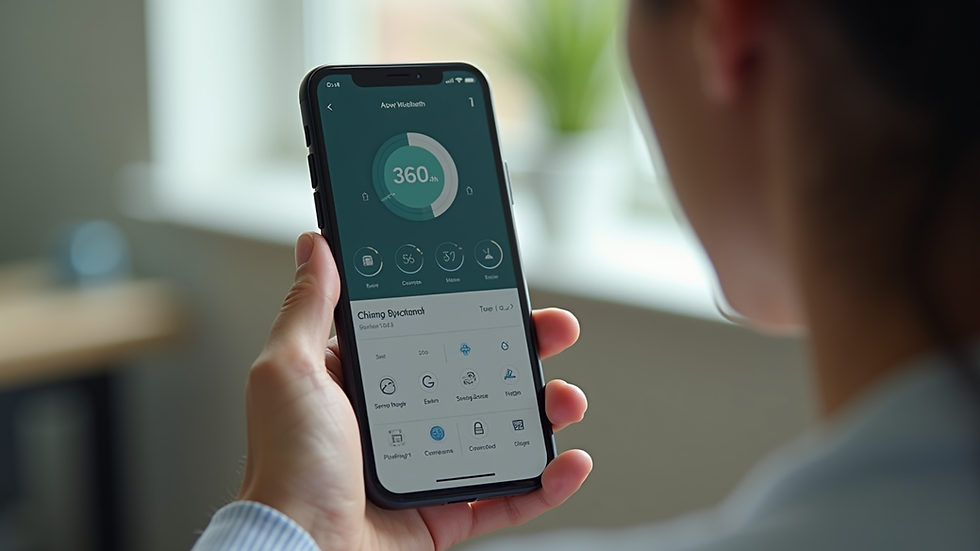
Health apps have become increasingly popular, providing users with a range of medical information and tools. These apps can help patients track their symptoms, manage medications, and access educational resources. Some popular health apps include:
MyFitnessPal: This app helps users track their diet and exercise, providing insights into their overall health.
WebMD: The WebMD app offers a symptom checker, medication information, and health articles to help users understand their health better.
2. Online Medical Portals
Many healthcare providers now offer online patient portals, allowing patients to access their medical records, lab results, and appointment information. These portals often include educational resources tailored to individual health conditions. Benefits of online medical portals include:
Convenience: Patients can access their information anytime, anywhere.
Direct Communication: Portals often allow for secure messaging between patients and healthcare providers, facilitating better communication.
3. Telemedicine Services
Telemedicine has revolutionized healthcare by allowing patients to consult with healthcare providers remotely. This service is particularly beneficial for those who may have difficulty accessing traditional healthcare settings. Key advantages of telemedicine include:
Accessibility: Patients in rural or underserved areas can access healthcare services without traveling long distances.
Time-Saving: Telemedicine appointments can be more convenient, reducing the time spent in waiting rooms.
The Role of Social Media in Medical Information Access
Social media platforms have emerged as valuable resources for patients seeking medical information. While it's essential to approach information on social media with caution, these platforms can provide support and community for patients. Here are some ways social media can enhance medical information access:
1. Patient Communities
Social media allows patients to connect with others who share similar health conditions. These communities can provide emotional support, share experiences, and offer practical advice. For example, Facebook groups dedicated to specific health conditions can be a source of encouragement and information.
2. Health Organizations
Many health organizations and professionals use social media to share reliable information. Following reputable accounts can help patients stay informed about the latest research, treatment options, and health tips. For instance, organizations like the American Heart Association and the World Health Organization regularly post updates and educational content.
3. Awareness Campaigns
Social media is an effective platform for health awareness campaigns. These campaigns can educate the public about various health issues, encouraging preventive measures and early detection. For example, campaigns for Breast Cancer Awareness Month often utilize social media to spread information about self-examinations and screenings.
Challenges of Instant Medical Information Access
While the benefits of instant medical information access are significant, there are also challenges that patients must navigate. Understanding these challenges can help patients make informed choices about the information they consume.
1. Misinformation
The internet is rife with misinformation, making it challenging for patients to discern credible sources from unreliable ones. Patients must be cautious and verify information before making health decisions based on what they read online.
2. Overwhelming Information
With so much information available, patients may feel overwhelmed. It can be challenging to filter through the noise and find relevant, accurate information. Patients should focus on reputable sources and consult healthcare providers for clarification.
3. Privacy Concerns
As patients share their health experiences on social media, privacy concerns arise. Patients should be mindful of what they share and consider the potential implications for their privacy and security.
Best Practices for Accessing Medical Information
To maximize the benefits of instant medical information access, patients should follow these best practices:
1. Use Reputable Sources
When seeking medical information online, patients should prioritize reputable sources. Websites ending in .gov or .edu, as well as established health organizations, are generally reliable. Examples include:
Mayo Clinic
Centers for Disease Control and Prevention (CDC)
National Institutes of Health (NIH)
2. Consult Healthcare Providers
Patients should not hesitate to discuss any information they find with their healthcare providers. This dialogue can help clarify doubts and ensure that patients are making informed decisions based on accurate information.
3. Stay Updated
Medical knowledge is constantly evolving. Patients should stay informed about new research and treatment options related to their health conditions. Subscribing to newsletters from reputable health organizations can be an effective way to receive updates.
The Future of Medical Information Access
As technology continues to advance, the future of medical information access looks promising. Here are some trends to watch for:
1. Artificial Intelligence
AI is increasingly being integrated into healthcare, providing patients with personalized information and recommendations. For example, AI-powered chatbots can answer common health questions, helping patients find information quickly.
2. Wearable Technology
Wearable devices, such as smartwatches, are becoming more sophisticated, allowing patients to monitor their health in real-time. These devices can track vital signs, activity levels, and even sleep patterns, providing valuable insights into overall health.
3. Enhanced Telehealth Services
Telehealth services are expected to expand, offering more comprehensive care options. Patients may have access to specialists from around the world, breaking down geographical barriers to healthcare.
Conclusion
Access to instant medical information is transforming the healthcare landscape. By empowering patients with knowledge, we can enhance their engagement, improve decision-making, and ultimately lead to better health outcomes. As technology continues to evolve, it is essential for patients to navigate this information landscape wisely, utilizing reputable sources and maintaining open communication with their healthcare providers. The journey to better health begins with informed choices, and instant access to medical information is a powerful tool in that journey.
By embracing these resources and practices, patients can take charge of their health and well-being, paving the way for a healthier future.


Comments